


Sunscreen is one of the few beauty products that everyone should use every single day. But it can be tricky to figure out how to use sunscreen and makeup together. For example: Should you apply sunscreen before or after makeup? Should you apply sunscreen or primer first? And what happens when it’s time to reapply your SPF and you have a full face of makeup on? Don’t worry—we’re here to help simplify things. Ahead, we’ll answer all of your sunscreen and makeup-related questions (and, yes, teach you how to reapply sunscreen over makeup without destroying your work).
Why Sunscreen Is Essential, Even With Makeup
You likely already know this, but it bears repeating: sunscreen is a must every single day. While you may think of sunscreen as something that you mainly use in the summer, the reality is that your skin is exposed to the sun’s harmful rays every day, even if it’s rainy or overcast. In fact, according to the Cleveland Clinic, clouds only block about 20% of UV rays. In the short term, exposure to UV rays can cause painful sunburns. Over time, UV exposure can damage the skin, accelerate the visible signs of aging, and increase your risk of developing skin cancer. The United States Food and Drug Administration (FDA) advises everyone six months of age and older to wear a broad-spectrum sunscreen with an SPF of at least 15 every day. It’s also important to reapply your sunscreen regularly—roughly every two hours, and more often if you’re sweating or swimming.
Should You Apply Sunscreen Before or After Moisturizer?
Sunscreen should always be the last product in your skincare routine, as SPF serves as a shield, of sorts, against UV rays. Saving it for last helps ensure you’re able to apply an even layer of product to your exposed skin without risking the formula smudging or smearing beneath your other skincare products. Keep in mind that this applies whether or not your moisturizer contains sunscreen—SPF moisturizers can be a helpful addition to your routine, but they’re not a replacement for standard sunscreen. If your moisturizer is thicker or richer than your sunscreen, be sure to allow it plenty of time to absorb before applying your SPF to ensure an even application.
Should You Apply Sunscreen Before or After Makeup?
If you’re wearing sunscreen and makeup, it’s best to apply your SPF first, before any of your makeup products (so if you’re wondering whether to apply primer before or after sunscreen, the answer is always after). There are a few reasons for this. Firstly, you’ll want to wait about 15 minutes for your sunscreen to absorb before heading outdoors (or getting any sun exposure). Additionally, applying sunscreen over makeup can interfere with your look, especially if you’re wearing foundation and other base makeup. This, again, applies whether or not your makeup contains SPF in its formula—laying down a base with a dedicated facial sunscreen is the best way to ensure your skin stays protected from harmful UV rays.
Should You Apply Sunscreen Before or After Foundation?
Sunscreen goes on before foundation, tinted moisturizers, skin tints, and any other base makeup products. However, if you’re in the sun for more than two hours, you’ll need to reapply your SPF, and that can be tricky to do when you have makeup on. It’s not impossible, though—we’ll share some tips on how to apply sunscreen over makeup shortly.
Can You Use Makeup with SPF Instead of Sunscreen?
No, you can’t rely on sunscreen-infused makeup to protect your skin from the sun. These products can add an extra layer of protection, but they’re not a replacement for sunscreen. To protect your skin, always apply a broad-spectrum sunscreen to your face as the final step in your skincare routine. From there, you can layer on SPF-infused makeup for added protection, coverage, and glow.
Foundation and tinted products with SPF
If you opt to use a foundation, tinted moisturizer, or skin tint with SPF in addition to your facial sunscreen, follow the recommendation of the FDA and opt for a broad-spectrum formula with an SPF of at least 15. If you need a recommendation, we’re partial to the Buttermelt Glaze Soft Glow Skin Tint with SPF 30. The skincare-makeup hybrid boasts a 93% skincare formula and helps hydrate the skin while protecting it against damaging UV rays. Plus, the buttery formula is lightweight and buildable, making it perfect for layering over sunscreen.
How To Apply Sunscreen Under Makeup Properly: Step-by-Step
As we mentioned, sunscreen should generally be the last step in your daily skincare routine, after moisturizing but before applying your primer or face makeup. But we’ll break it down even further. Ahead, discover exactly how to layer skincare, sunscreen, and makeup for a look that lasts.
Step 1: Cleanse your skin
Start by cleansing your face to remove any excess dirt, oil, or leftover makeup that can interfere with your sunscreen and makeup application. Look for a cleanser designed for your skin type—creamy, hydrating cleansers are great for those with drier skin, while gel and foam cleansers may be better for those with combination or oily skin.
Step 2: Apply facial serums and treatments
Pat your skin dry with a clean towel, then layer on any essences, serums, or emulsions you use. Make sure to let each product absorb fully before applying the next to help minimize the chance of pilling.
Step 3: Moisturize
Next, reach for your moisturizer. Even if your skin doesn’t feel dry, this is an important step to replenish your skin and provide a smoother canvas for your makeup. We love lightweight water-based lotions for those with oily skin, while richer moisturizing creams are best for those with drier skin. If you’re prone to breakouts, be sure to select a moisturizer that’s labeled non-comedogenic—that means it won’t clog your pores.
Step 4: Apply sunscreen
Let your moisturizer absorb completely before applying your sunscreen. When you do, reach for a broad-spectrum formula with an SPF of at least 15 (that’s what pros recommend as a minimum for sun protection). Take care to apply it to your entire face and neck, as well as any other exposed skin, including your eyelids, ears, and along your hairline. You should use at least a quarter-teaspoon’s worth for your face to ensure adequate coverage.
Step 5: Let your sunscreen absorb
Experts typically suggest giving your sunscreen at least 15 minutes to sink in. This time is needed for the sunscreen to provide maximum protection. Plus, if your sunscreen doesn’t absorb before you put on your makeup, all your blending and buffing may actually remove the sunscreen. Take that 15-minute window as an opportunity to browse TikTok for makeup inspiration (or find some here).
Step 6: Apply primer
Once your sunscreen has sunk in, you can go ahead and apply your makeup primer. This will help your makeup last longer and go on smoother. For added sun protection, we recommend our Blur Screen SPF 30 Primer. It offers SPF 30 protection from UV rays, blurs imperfections, and helps grip makeup for up to 18 hours of wear.
Step 7: Apply foundation and other makeup
Finally comes the most exciting step: Painting your canvas. Apply your foundation, concealer, blush, and any other makeup as usual, then seal it all in with a generous misting of your favorite setting spray. For a fresh-faced look that feels lightweight in the heat, try evening out your complexion with the Buttermelt Glaze Soft Glow Skin Tint with SPF 30, then add a pop of color to your pout with the hydrating Fat Oil Lip Drip.
What Type of Sunscreen Is Better To Wear Under Makeup?
There are two types of sunscreen: Chemical sunscreen and mineral sunscreen. Both will help protect your skin from the sun, but can interact with makeup in different ways. For instance, chemical sunscreens tend to be more layerable, while mineral sunscreens can help mattify. Keep reading to learn more.
Benefits of chemical sunscreen under makeup
Chemical sunscreens contain chemical filters that absorb UV light. They tend to sink into the skin fairly easily and absorb quickly without leaving behind a white cast, making them easy to layer with makeup. Another benefit of chemical sunscreens is that they come in a range of textures, from thicker creams to water-based gels and even sprays. As such, it’s typically pretty easy to find a chemical sunscreen that suits your skin type and unique needs.
Benefits of mineral sunscreen under makeup
Mineral sunscreens contain mineral particles (typically zinc or titanium dioxide) that form a physical barrier that helps block UV rays. These formulas sit on top of the skin, and as such, can sometimes leave behind a matte or chalky cast. That’s not ideal if you have dry skin, but if you’re prone to mid-day shine, the slightly drier texture could help mattify your complexion. Mineral sunscreens are also an excellent option for those with sensitive skin, as they tend to be gentle and suitable for all skin types.
How to choose the best sunscreen formula for your skin type
Ask any pro, and they’ll likely tell you that the best sunscreen is whichever one you’ll actually use. In other words, neither mineral nor chemical sunscreen is inherently better than the other; what matters most is actually using it every day. Still, if you need help narrowing down the right option for your skin type, consider this guidance:
How To Use Blur Screen in Your Sunscreen and Makeup Routine
Blur Screen SPF 30 Primer is the ultimate start to your makeup routine because it both primes and protects your skin from UV rays. The gel-based formula is infused with cactus flower extract and blends seamlessly, leaving your skin feeling fresh and hydrated. Most importantly, it’s designed specifically for use under makeup and won’t pill or flake off. Here’s how to use it:
- Start by cleansing and moisturizing your face.
- Next, apply a generous layer of sunscreen to your face and neck, taking care to cover all exposed skin.
- Wait 15 minutes to allow your sunscreen to absorb.
- Apply a dime-sized amount of Blur Screen SPF 30 Primer to your face, blending with your fingertips to smooth, prime, and protect your skin.
- Layer on your foundation, concealer, and other makeup products as usual.
How To Reapply Sunscreen Over Makeup
We’ve answered the question “Do you put sunscreen on before or after makeup,” but there’s still the lingering question of reapplication. Vigorously rubbing a cream sunscreen all over your foundation, concealer, and other makeup products can (unsurprisingly) disrupt your work. So, here’s how to apply SPF over your carefully-applied makeup—without starting your look from scratch.
Option 1: Use an SPF setting spray
Misting your face with an SPF-infused setting spray is a great way to reapply your sunscreen without disrupting your makeup. In fact, since setting spray helps extend the longevity of your makeup, this hack can actually make your look last longer. Just be sure to apply a generous misting of setting spray to ensure you’re well-covered.
Option 2: Use a sponge to dab on SPF
If you don’t have an SPF-infused setting spray on hand, that’s okay—it’s totally possible to reapply a cream or gel sunscreen over makeup. The best way to do so is with a makeup sponge. We suggest dispensing a quarter-sized amount of SPF on the back of your hand, and then dipping your sponge into it. You can then lightly pat the sponge over your face, re-saturating it with SPF as needed to ensure your skin is completely covered. While this reapplication method may be a bit more time-consuming than spritzing your face with setting spray, it’s viable. It’s not a bad idea to store a few of your must-have makeup products in your bag, either, just in case you want to touch anything up.
The Best NYX Professional Makeup Products To Pair With Sunscreen
SPF-ready primers
Priming your skin before applying makeup is a must, as primer can help ensure a smooth, even application and help your products stay in place for longer. To kick off your routine, try prepping your skin with the Blur Screen SPF 30 Primer. The 3-in-1 formula helps blur imperfections, grips makeup for up to 18 hours of wear, and provides broad-spectrum SPF 30 protection against UV rays with no white cast or greasy feel.
Lightweight foundations and skin tints
If you ask us, hot, sunny days call for lightweight makeup, and the Buttermelt Glaze Soft Glow Skin Tint with SPF 30 fits the bill perfectly. The hydrating formula melts into the skin, delivering natural-looking coverage that wears for up to 12 hours. It’s also infused with broad-spectrum SPF 30 sunscreen to help shield your skin from damaging UV rays that can dull your glow.
Setting and refreshing sprays
Keep your look locked down—even in hot, humid weather—with The Face Glue Setting Spray. The long-lasting formula contains powerful film formers to help keep your makeup in place for up to 24 hours without fading, smudging, or transferring. Plus, it’s waterproof, so you can rock your sunscreen and makeup in hot weather without worrying about them sliding off your face when you sweat.
Next Up: This 5-Minute No-Makeup Makeup Look Will Be Your Next Go-To
We want to see what looks you create with your favorite NYX Professional Makeup products this summer! Share a pic on social and tag us @nyxcosmetics.
PRODUCTS USED
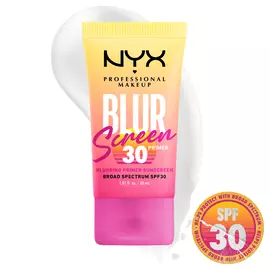
BLURSCREEN SPF 30 PRIMER
A blurring primer sunscreen with no white cast and up to 18h makeup wear.
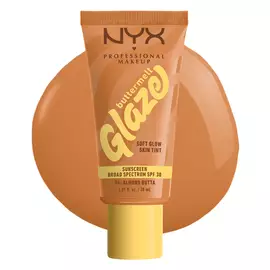
BUTTERMELT GLAZE SOFT GLOW SKIN TINT SPF 30
A skin tint with a soft glow glazed finish in ten flexible shades
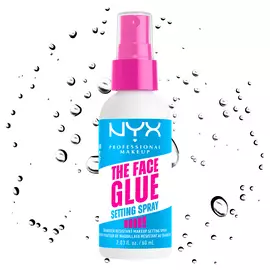
THE FACE GLUE SETTING SPRAY
Up to 24h makeup lock and shield, waterproof setting spray
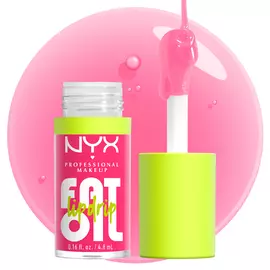
Fat Oil Lip Drip
Hydrating tinted lip oil + lip gloss in 22 shades


