



Subtly glowy or vibrant and full of color—whatever your beauty vibe, foundation is a makeup bag staple. When it’s applied well and matched correctly to your skin, it smooths, evens, and creates a polished base for everything that follows. But technique matters just as much as the formula itself—and the best way to apply foundation depends on the type you’re using and the finish you’re aiming for.
From liquids and creams to powders and lighter options, foundation comes in several forms, each with its own ideal application method. But while the techniques may vary, the core steps remain largely the same. Ahead, we’ll explain how to apply foundation for a smooth, even-looking base, share application tips for different formulas, and break down a few common beginner mistakes to keep in mind when applying your makeup.
What Is The Best Way To Apply Foundation?
There is no single best way to apply foundation—your approach should always be tailored to your skin type, the type of foundation you’re using, and the sort of look you’re after. With that being said, there are a few essential steps you’ll want to follow every time. Keep scrolling for a comprehensive foundation how-to perfect for everyone from beginners to seasoned pros.
Step 1: Cleanse and moisturize
First things first: Before applying makeup, wash your face to remove dirt, oil, and other debris that can interfere with your makeup application. Then, apply moisturizer to smooth and hydrate your skin and finish with sunscreen to protect your skin from damaging UV rays. Be sure to allow your moisturizer and sunscreen plenty of time to absorb before moving on to the next step to help prevent your makeup from sliding off or pilling.
Step 2: Apply face primer
Once your skincare products have absorbed, you can apply a makeup primer. This optional (but highly recommended) first step helps provide grip for your foundation, helping it apply more smoothly and stay in place longer. Many formulas can also help minimize the appearance of skin concerns, such as unwanted shine, dullness, or enlarged pores.
For the best results, we suggest selecting a primer with a similar finish to your chosen foundation. Matte primers pair well with matte foundations, radiant primers with more dewy foundations, and so on. If you’re on the hunt for a versatile primer that you can use with any foundation, try The Face Glue Gripping Primer, which boasts a comfortable, soft-focus finish that wears for up to 24 hours.
Step 3: Apply foundation to skin
Once you’ve applied your primer, it’s time to move on to foundation. Keep in mind that how to use foundation depends on the type of formula you’re working with. Knowing how to apply liquid foundation doesn’t mean you’ll automatically be a pro with cream or powder formulas, since each requires a slightly different application approach.
For a classic liquid foundation, like the Make ‘Em Wonder™ Soft Matte Buildable Foundation, start by dabbing a pea-sized amount onto your forehead, chin, nose, and each cheek. Cream foundations follow the same basic method, but use a lighter hand—these formulas are typically thicker and offer more coverage, so you need less to achieve a uniform, even look.
If you’re wondering how to put on powder foundation, the process is slightly different. Rather than dabbing it onto your skin, try sweeping the product onto your face with a dense sponge (many powder formulas include one for easy application). If you don’t have a sponge handy, a powder brush works well too; just tap off any excess powder before swiping the makeup on your skin to avoid overloading your complexion.
No matter the formula, begin with less product than you think you need; you can always build coverage gradually for the most natural-looking finish.
Pro tip: For the most natural-looking finish, your foundation should match both your skin tone and undertone. If you’re not sure how to find your foundation shade, check out our Virtual Foundation Shade Finder.
Step 4: Blend, blend, blend
One of the most common foundation mistakes beginners make is not blending thoroughly enough. For the most natural-looking result, start blending at the center of your face—where redness or discoloration tends to be most noticeable—and work outward toward your hairline and jaw. Don’t forget to blend down into the jawline and slightly onto the neck to avoid any harsh lines and keep the finish looking seamless and realistic.
If you’re using a liquid or cream foundation, you can blend with either a sponge or a brush, depending on the finish you’re after. Makeup sponges are ideal for creating a more natural, skin-like look—just dampen the sponge slightly and bounce it over your skin to blend the product seamlessly. Brushes, on the other hand, are better suited for fuller-coverage finishes; use gentle buffing or stippling motions to work the foundation evenly into the skin.
For powder foundations, a foundation brush is your best bet. Lightly sweep or press the product onto the skin, building coverage gradually where needed, for a soft, airbrushed finish.
Pro tip: If you’re working with a lightweight or sheer foundation, you can also use clean fingers to pat and blend the formula—body heat helps melt the product into the skin for an especially natural-looking finish.
Step 5: Add concealer
After blending, you may notice a few areas that need extra coverage. At this point, you can either apply a bit more foundation or reach for concealer. Layering on another thin amount of foundation is ideal if you want a more even, uniform base, while concealer works best for targeting specific concerns like blemishes, redness, or dark circles without adding excess product to the rest of the skin.
If you’re applying more foundation, gently dab and blend as outlined above until you reach your desired level of coverage. For spot-correcting, lightly tap concealer onto areas of concern and blend it out using a sponge or a small concealer brush. As with foundation, start with less product than you think you’ll need and build gradually for the most natural-looking finish.
Pro tip: Choose a concealer with a finish that matches your foundation—whether matte, natural, or dewy—to keep the final result cohesive and seamless.
Step 6: Set your base
Last but not least, set your makeup to help prolong wear and ensure a smooth, even finish. If you’re aiming for a dewy or natural look, use a setting spray, such as The Face Glue Setting Spray. For a more airbrushed look—or to help control shine on oily skin—consider setting your base with a setting powder instead. The Wonder Snatch™ Loose Setting Powder is an excellent option, and it comes in four translucent and four brightening shades to complement a range of skin tones. Simply press it onto shine-prone and high-movement areas (such as the nose, chin, and under-eyes) using the Wonder™ Powder Setting Puff before proceeding with the remainder of your makeup routine.
Why Can’t I Get My Foundation To Look Flawless?
If you’re following the steps above and still can’t get your foundation to look picture-perfect, don’t stress—there’s probably an easy solution. Here, discover four foundation faux pas beginners often make (and, most importantly, how to fix them).
You’re applying too much foundation
With foundation, less is more: Piling it on can leave your skin looking cakey or flat (not the vibe). We recommend starting with a light, thin layer of product, then gradually adding more as needed to reach your desired level of coverage. Use a buildable foundation, like the Make ‘Em Wonder™ Soft Matte Buildable Foundation, to ensure your base stays smooth, even, and comfortable all day long.
You get foundation in your hairline
It’s true that you want to blend your foundation to your hairline for an undetectable finish, but it’s important not to get it in your hair—not only can foundation be annoying to get out of your strands, but a thick application around the perimeter of your face can also result in a mask-like appearance. That’s why, as we mentioned earlier, we recommend starting your application in the center of your face and buffing outward. By the time you get to your hairline, there will be very little product left on the brush or sponge, and you’ll be less likely to get makeup in your hair. You can also slip on a headband before doing your makeup to keep your hair out of your face while you work.
You’re using the wrong formula for your skin type
Foundation is supposed to be undetectable, so choosing a formula aligned with your skin type is essential. If you have oily skin, for example, it’s best to steer clear of rich, heavy formulas, which could make your skin look (or feel) greasy. Instead, opt for a lightweight liquid foundation or a mattifying powder formula to create an even, balanced base. On the other hand, if you have dry skin, it’s often best to avoid powders, which can emphasize dry patches or uneven skin texture. Instead, use a hydrating liquid foundation with a natural or radiant finish to help enliven your complexion.
You didn’t set your makeup properly
If you find that your foundation applies beautifully but looks less than stellar after a few hours, you’re probably in need of setting spray. While setting powder is generally used to set specific areas—like the under eye or forehead—setting spray is applied to the entire face to help lock your makeup into place and prevent it from smudging or transferring throughout the day. At the very end of your makeup routine, spritz on setting spray to lock in your look and keep your perfectly-applied makeup from slipping or sliding away.
Next: Matte vs. Dewy Makeup: What’s The Difference and Which Is Best For You?.
Mastered your NYX foundation application? We’d love to see how it looks! Share a pic on social and tag us @nyxcosmetics.
PRODUCTS USED
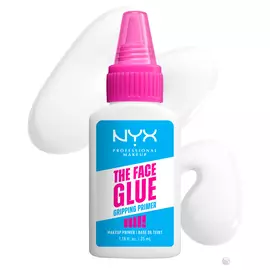
THE FACE GLUE GRIPPING PRIMER
Up to 24h hydrating and gripping makeup prepping glue
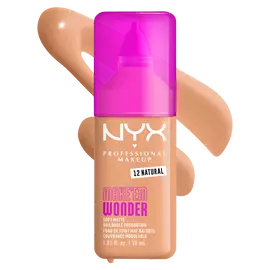
Make ‘Em Wonder™ Soft Matte Buildable Foundation
Meet Make ’Em Wonder™ Soft Matte Foundation, a skincare-infused weightless foundation that delivers pro-level, buildable coverage with a real-skin finish for all-day comfort.
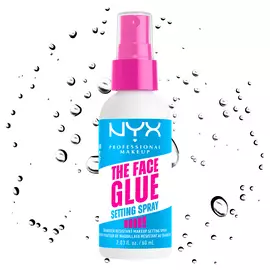
THE FACE GLUE SETTING SPRAY
Up to 24h makeup lock and shield, waterproof setting spray
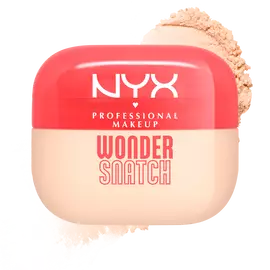
Wonder Snatch™ Loose Setting Powder
A loose setting powder delivering up to 16 hours of sweat-proof wear and airbrushed skin perfection.
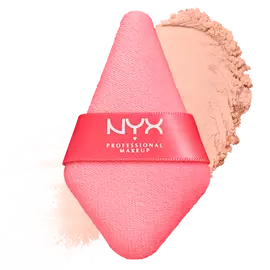
Wonder™ Powder Setting Puff
Meet your go-to powder puff for a flawless, soft matte finish. Designed for precision and ease, it sets, sculpts, and perfects every look like a pro.


