



When it comes to making your makeup last, you’ve basically got two tools: setting powder and setting spray. Both have their benefits, but setting powder is especially great for anyone with oily skin or anyone who wants a matte, airbrushed finish.
Choosing your powder wisely is a must, but knowing how to use setting powder correctly is what really makes the difference. Too light a hand, and you risk your makeup fading throughout the day; too heavy, and you could end up looking flat rather than flawless. If you need help nailing your application, keep reading. Ahead, we’ll cover everything you need to know, from how to choose the right formula for your skin type to how to apply setting powder for a smooth, shine-free look that lasts.
What Is Setting Powder and What Does It Do?
Setting powder is a lightweight powder designed to lock your makeup in place, control shine, and create a soft-focus, airbrushed effect. Unlike finishing powders, which primarily refine the look of skin or add a subtle glow, setting powder is mainly designed to help your foundation, concealer, and other face makeup stay put throughout the day.
In addition to extending wear, it helps absorb excess oil and minimize the appearance of pores or texture, giving your skin a smoother, more matte finish. Applied correctly, setting powder can make the difference between a makeup look that fades or slides within hours and one that stays fresh and polished from morning to night.
Do You Really Need Setting Powder?
No, setting powder isn’t necessary 100% of the time—but it can be a game-changer in certain situations. For oily skin, it helps absorb excess oil throughout the day, preventing foundation and concealer from sliding or looking shiny. In humid climates, it creates a barrier that keeps makeup from breaking down too quickly, giving you a longer-lasting, matte finish. It’s also ideal if you want an airbrushed look that will hold up through long days or special events.
If you prefer a dewier finish or have dry skin, setting spray might be the better option for you. Setting powder and spray serve different purposes, so choosing the right one comes down to your skin type, the finish you want, and how long you need your makeup to last.
Types of Setting Powder (and How To Choose the Right One)
Before we explain how to use setting powder, it’s important to understand that there are different types, each suited to different needs and finishes. Choosing the right powder depends on how you want your makeup to look, how long you need it to last, and how you plan to apply it. Knowing the distinctions between loose vs. pressed and translucent vs. tinted powders makes it easier to pick a formula that works for your skin type, routine, and desired finish.
Loose vs. pressed setting powder
Setting powders can come in two main formats: loose or pressed. Loose powders are finely milled, lightweight, and typically come in a jar, making them perfect for baking makeup or reducing unwanted shine for a smooth, airbrushed finish. Pressed powders are compacted into a solid pan, making them more portable and convenient for on-the-go touch-ups, while also offering slightly more coverage and mattifying power for a polished, long-lasting look.
Translucent vs. tinted setting powder
Translucent and tinted powders differ mainly in coverage and color impact. Translucent powders are ideal when you want to maintain your foundation shade while controlling shine, giving a natural finish across all skin tones. Tinted powders can subtly even out discoloration or enhance a slightly off-shade foundation. When choosing a tinted powder, consider your undertone and watch for flashback in photos—the right shade should blend seamlessly into your skin without looking ashy or reflective.
How To Apply Setting Powder: Step-By-Step
Getting the right powder is only half the battle—knowing how to use setting powder correctly is what really makes your makeup last and keeps your finish looking smooth. Here’s a step-by-step guide to setting your makeup with powder.
Step 1: Decide where to put setting powder
Before you start, think about where your makeup tends to break down or get shiny. Common zones include the T-zone, under the eyes, and around smile lines. You don’t always need to powder your entire face—targeting these key areas is often enough to control shine and keep your makeup looking fresh.
Step 2: Choose the right tool
The tool you use to apply setting powder can affect both the coverage and finish. If you’re using a pressed powder, there’s a good chance it comes with a sponge for application, though a fluffy brush also works well for a lighter, airbrushed effect. If you’re using a loose powder, like the Wonder Snatch™ Loose Setting Powder, we suggest picking up a powder puff—these allow for precise, targeted application and help lock in makeup without creating excess fallout. Try the Wonder™ Powder Setting Puff, which boasts a narrow, tapered end perfect for accessing hard-to-reach areas.
Step 3: Press, don’t rub
Once you’ve decided where to apply your powder and gathered your tools, it’s time to set your makeup. Use a pressing or patting motion rather than rubbing the powder across your skin. Pressing helps the powder lock in your foundation and concealer without disturbing them, reducing the risk of caking or emphasizing texture. This simple technique ensures a smoother, longer-lasting finish while keeping your look natural and polished.
Setting vs. Baking: What’s The Difference?
Setting your makeup with powder is about locking in foundation and concealer, controlling shine, and creating a smooth, long-lasting finish. For most uses, a translucent powder works best to set your makeup without altering your base color.
Baking takes setting a step further: it involves applying a thicker layer of powder to areas like under the eyes or around the nose and letting it sit for several minutes before brushing it away. This technique blurs imperfections and brightens targeted areas. If your main goal is brightening under the eyes, try a yellow or peach-tinted powder to help neutralize discoloration and dark circles. The aforementioned Wonder Snatch™ Loose Setting Powder comes in four translucent and four brightening shades to suit a wide range of needs—and it wears for up to 16 hours without creasing or caking.
When and how to employ each technique matters, too. Generally speaking, anyone can use setting powder, but baking is best suited for oily or combination skin. If you have dry or textured skin, limit baking to just the under-eye area, as heavy powder can cling to flakes or fine lines and emphasize texture.
How To Apply Setting Powder By Skin Type
Different skin types benefit from slightly different approaches to setting powder, and tailoring your technique can help you achieve a flawless, long-lasting finish. Below, we’ll break down tips for oily, combination, and dry skin so you can get the most out of your powder without over-drying or emphasizing texture.
For oily skin
If your skin tends to get shiny throughout the day, focus on oil-prone areas like the T-zone, under the eyes, and around the nose. For longer-lasting wear, try layering your powder—start with a light all-over set, then reinforce key zones with a little extra powder where shine is most likely to appear. You can also stash your powder and powder puff in your bag for touch-ups throughout the day.
For dry skin
Dry skin benefits from a light, targeted approach. Apply setting powder sparingly—only on areas that really need it—to avoid over-mattifying or emphasizing texture. Using too much powder can make the skin look dull, so stick to a soft, minimal layer to maintain a natural, fresh-faced appearance.
For combination skin
Combination skin calls for a zone-based strategy: lightly powder the oily areas while leaving the drier parts of the face with a natural finish. This allows you to selectively mattify where needed without sacrificing glow elsewhere. A soft-matte powder, like the Wonder Snatch™ Loose Setting Powder, works well to control shine without making the skin look flat or dull.
Common Setting Powder Mistakes (and How To Fix Them)
Even the best powder can look off if applied incorrectly. Here’s a breakdown of common problems, with fixes focused on technique, placement, and amount rather than the product itself.
Your makeup looks cakey or dry
Applying heavy layers of powder can make your base look cakey and emphasize texture. Instead, start with a light dusting of powder and build coverage only where needed to control without making your skin look flat. If desired, you can also mist your face with a setting spray to replenish moisture and give your complexion a more hydrated look.
Your powder looks heavy or chalky
If your powder looks heavy or chalky, it’s often a matter of tool choice or uneven application rather than the product itself. Use a fluffy brush for a sheer, airbrushed finish or a powder puff for precise, targeted areas, and focus only on spots that need setting to avoid a dense, powdery appearance.
Your makeup still gets shiny
If your makeup still gets shiny, it usually means key oil-prone zones weren’t fully set or the powder was applied too lightly. Target areas like the T-zone, under the eyes, and around the nose, and layer lightly where needed to control shine while keeping the rest of your face looking natural and fresh. You can also prime your face with a mattifying makeup primer to help keep excess oil at bay.
Setting Powder vs. Setting Spray: When To Use Each
You can absolutely use both setting powder and setting spray together, but the answer to “do you use setting spray before or after powder?” isn’t one-size-fits-all—it depends on your skin type, desired finish, and the areas you want to control. Setting powder is ideal for controlling oil, mattifying shine, and locking makeup in place, while setting spray adds longevity and helps blend all your products together for a natural, seamless look.
A common approach is to apply powder first on areas that tend to get oily or need extra coverage, then finish with a setting spray to reduce any powdery texture and enhance staying power. Adjust the order based on your skin and look: for dry or textured skin, a light mist before powder can help prevent cakiness, while oily skin often benefits from powder first for maximum shine control.
Next Up: Matte vs. Dewy Makeup: What’s The Difference and Which Is Best For You?.
We’d love to see how you use our setting powders in your routine. Share a pic on social and tag us @nyxcosmetics.
PRODUCTS USED
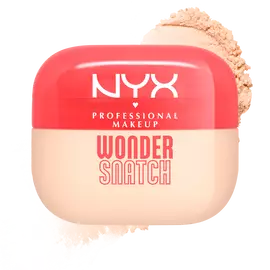
Wonder Snatch™ Loose Setting Powder
A loose setting powder delivering up to 16 hours of sweat-proof wear and airbrushed skin perfection.
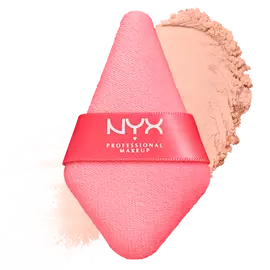
Wonder™ Powder Setting Puff
Meet your go-to powder puff for a flawless, soft matte finish. Designed for precision and ease, it sets, sculpts, and perfects every look like a pro.
Get an exclusive offer when you sign up for texts.
On the same topic

How To Choose a Concealer Color for a Flawless-Looking Base

How To Apply Concealer Correctly for a Flawless-Looking Base

How To Choose a Lip Gloss: Tips for Finding Your Perfect Formula

