


If you’ve been on the beauty side of TikTok lately, you’ve probably heard mention of underpainting. This makeup trend involves applying foundation as the final step of your base makeup routine, after contour, blush, and concealer. And, despite the technique’s newfound popularity on social media, it’s not a fleeting fad: In fact, underpainting has been a well-kept secret amongst makeup artists for years. Here, we’ll explain why it’s a technique worth trying. Plus, learn how to underpaint with our underpainting makeup tutorial, designed to help you achieve a smooth, natural-looking finish.
What Is Underpainting?
Underpainting makeup is a technique where you apply your contour, bronzer, blush, and sometimes even highlighter before foundation. Instead of layering sculpting products on top of your base, you build dimension directly onto bare (or lightly primed) skin, then blend a thin layer of foundation over everything to soften and diffuse the look. The result is a more natural, lit-from-within finish—your contour appears to come from beneath the skin rather than sitting on top of it.
Underpainting vs. Traditional Makeup Application
The difference between underpainting and traditional makeup application comes down to order—and the overall effect you’re trying to achieve. With traditional application, foundation goes on first to create an even base. Contour, bronzer, blush, and highlighter are layered on top to sculpt and add dimension. This approach offers more control and precision, making it easier to build intensity, correct placement, and adjust as you go. It’s also typically more beginner-friendly, since you can clearly see how each product sits on the skin.
Underpainting flips that sequence. You apply your sculpting products directly onto primed skin, then blend foundation over everything to diffuse the look. Because the dimension sits beneath your base, the finish tends to look softer and more seamless—almost as if the shadows and flush are coming from within the skin itself.
Benefits of Underpainting Makeup
If you’re after dimension that looks effortless rather than obvious, underpainting is worth trying. By building structure beneath your base, you create depth that feels softer, more seamless, and incredibly skin-like.
- More natural-looking dimension: Because contour and blush sit underneath foundation, they appear to come from within the skin rather than on top of it.
- Softer blending: The layer of foundation diffuses edges automatically, helping everything melt together without harsh lines.
- Lighter overall feel: You can often use less product on top, which makes the finished look feel less heavy or layered.
- Longer-lasting structure: Setting foundation over cream contour and blush can help lock placement in, especially when properly blended.
- Great for photography: The subtle sculpting translates beautifully on camera, creating depth without obvious stripes or patches.
What Do You Need to Underpaint?
The products you’ll need to underpaint generally won’t look too different from what you’d normally use. For a standard underpainting makeup look, you’ll want to have the following:
- Makeup primer
- Contour
- Blush
- Concealer
- Foundation
- Setting spray
- Makeup brushes or sponges
There are, however, a few things to keep in mind when you try the underpainting makeup technique. First, you’ll want all of your products to be the same (or, at the very least, similar) type of formula—for example, if you’re using a liquid foundation, you’ll want to stick with liquid or cream blush, bronzer, concealer, and contour. The reason for this is simple: It’ll make your application smoother and more even. Avoid applying liquid makeup on top of powder makeup, as it could end up looking patchy and uneven.
Secondly, when choosing your foundation, opt for a buildable or medium-coverage option, such as the Make ‘Em Wonder Soft Matte Buildable Foundation. The less opaque your foundation is, the more your underpainted makeup will be able to show through (which, of course, is the goal). If you want a more vibrant end result, pick the most pigmented blush and contour you can find.
How To Underpaint Makeup: A Step-by-Step Guide
Underpainting generally involves around six steps: prepping your skin, contouring, adding blush, concealing, blending, and finally, layering on foundation. We also recommend setting your base with setting spray to help ensure your look lasts. Ahead, learn how to complete each step for your underpainted makeup look.
Step 1: Prep your skin
No matter which order you’re applying your products in, proper skin prep is a must. We recommend kicking off your routine with Face Freezie Cooling Primer + Moisturizer—one of our favorite skincare-makeup hybrids. The 10-in-1 formula preps, evens, smooths, minimizes pores, tightens, hydrates, sculpts, softens, calms, and revitalizes skin. Just apply the moisturizer to clean, dry skin, and then you’re ready to start underpainting.
Step 2: Contour and sculpt
Next, carve out your features with the Wonder Stick Contour and Highlighter Stick. Use the darker shade in the duo to draw lines on either temple, beneath both cheekbones, and just underneath your jaw. Don’t blend anything yet—that part will come later. For an in-depth guide to contour placement, check out our article Contouring 101: How to Contour Like an Absolute Pro—it lays it all out.
Shop Wonder Stick Contour and Highlighter Stick Now
Step 3: Add blush
A pop of color on the cheeks is the key to a great natural makeup look. We suggest using a cream or liquid blush, such as the Fat Cheeks Juicy Liquid Blush, to add pigment to the apples of your cheeks (and maybe just a dot across the tip of your nose). Start small, and build up the coverage to your liking (remember, you’ll be going over your makeup with foundation, so you can use a little more than you normally would).
Step 4: Color correct and conceal
If you have any imperfections you’d like to conceal—dark circles, pimples, dark spots—now is the time to do so. Use one of the color-correcting Pro Fix Sticks shades to neutralize any discoloration (if needed), or apply one of the skin shades to add coverage anywhere you need it. If you’re not familiar with color correcting or how it works, we break it all down in our article Color Correcting Is the Makeup Artist Secret You Need to Know.
Step 5: Blend your underpainting makeup
Before applying your foundation, you’ll want to blend all your underpainted makeup out. A lot of tools can work for this step, but we find a damp makeup sponge provides the most natural-looking results. Aim to blend your concealer first, before your contour or blush, to ensure it remains bright and true-to-tone.
Step 6: Layer on foundation
The next-to-last step in your underpainting makeup routine is foundation. Squeeze a bit of your Make ‘Em Wonder Soft Matte Buildable Foundation onto the back of your hand, then dab your blending sponge or brush into the formula. Starting at the center of your face and working outward, begin dabbing the product on to add coverage where you want it most. If you’d like more coverage, you can apply a second layer of foundation—just take care to dab with your sponge or brush rather than rub, as rubbing can disrupt the makeup you already applied.
Shop Make 'Em Wonder Foundation Now
Step 7: Set it
When you spend valuable time perfecting your makeup look, you want to make sure it lasts. Set your finished look in place with a generous misting of your favorite setting spray. Any long-lasting formula works, but to really lean into the natural finish, we love The Face Glue Setting Spray. It helps extend makeup wear for up to 24 hours and leaves your skin looking moisturized and healthy.
Common Mistakes and How To Fix Them
Underpainting is all about balance. If your sculpting isn’t translating the way you expected, small tweaks in product choice, placement, or blending technique can make a big difference.
The problem: Your contour disappeared under your foundation.
The fix: You likely used too little product (or your foundation is too full coverage). Try slightly intensifying your contour and blush placement before blending foundation on top, or switch to a lighter-coverage base that won’t completely mask the dimension underneath.
The problem: Everything looks muddy.
The fix: This usually happens when shades are too deep, too warm, or layered too heavily. Opt for contour tones that mimic natural shadow (slightly cool-toned) and apply blush with a lighter hand. Thorough blending before foundation is key.
The problem: Your base looks patchy or streaky.
The fix: Press or bounce foundation on with a sponge instead of swiping with a brush, which can move the products underneath. Also, make sure your creams have had a moment to set slightly before applying your base.
The problem: Your makeup feels too heavy.
The fix: Scale back the amount of product underneath and use thin, targeted placement rather than full-face sculpting. A lightweight, flexible foundation formula will also help keep the finish breathable.
The problem: Your makeup doesn’t last.
The fix: Set strategically. Lightly powder areas prone to creasing or shine, and consider finishing with a setting spray to lock in the layered creams without dulling the dimension you created.
When Shouldn’t You Underpaint Your Makeup?
Underpainting creates soft, diffused dimension—but it works best under specific conditions. If your products or skin type don’t align with the technique, you may get better results sticking with a traditional application order.
- If you’re using a full-coverage or ultra-sheer foundation: Full-coverage formulas can completely mask the contour and blush you placed underneath, while very sheer tints may not blend and diffuse the sculpting enough, leaving placement looking more obvious than intended. Underpainting tends to work best with light- to medium-coverage bases that strike a balance.
- If you have oily skin or prefer a lightweight feel: Layering multiple cream products beneath foundation can feel heavy or increase slip throughout the day, especially on oil-prone skin. If you like your base to feel minimal and breathable, traditional placement may be more comfortable.
- If you’re mixing textures (like creams and powders): Underpainting is most seamless when you’re working within the same texture family. Applying powder contour or blush underneath liquid foundation can create patchiness, and layering creams under a heavily set, powdered base can disrupt blending. Keeping textures consistent—or sticking to traditional layering—helps avoid separation and uneven payoff.
Next Up: How To Use Setting Powder for a Flawless Look That Lasts .
Try our underpainting makeup tutorial and share it on social! Don’t forget to tag us @nyxcosmetics.
PRODUCTS USED
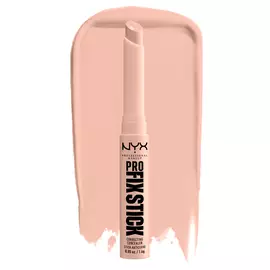
PRO FIX STICK CORRECTING CONCEALER
Color-correcting & buildable medium coverage concealer stick in 24 shades
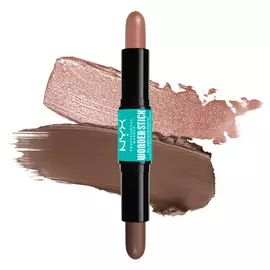
Wonder™ Stick Contour and Highlighter Stick
Two-In-One Cream Contour Stick and Highlighter Stick
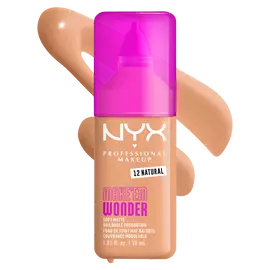
Make ‘Em Wonder™ Soft Matte Buildable Foundation
Meet Make ’Em Wonder™ Soft Matte Foundation, a skincare-infused weightless foundation that delivers pro-level, buildable coverage with a real-skin finish for all-day comfort.
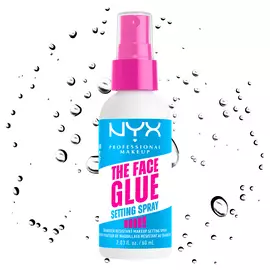
THE FACE GLUE SETTING SPRAY
Up to 24h makeup lock and shield, waterproof setting spray
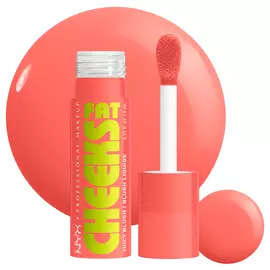
Fat Cheeks Juicy Liquid Blush
Get juicy, hydrated cheeks with a 24H hydrating liquid blush for a healthy, dewy glow.


