


What You’ll Learn
- Depuff first: a few minutes with cooling under-eye patches makes peach or orange correctors sit smoother, so you use less product and get cleaner coverage.
- Pick dark-circle shades by skin depth, not guesswork: peach or pale yellow for fair skin, deeper orange for medium to deep tones, match the warmth to your undertone.
- Know your purples and blues: lavender brightens and cancels light yellow sallowness, light blue neutralizes orange casts, deeper blue cools an overly warm base.
- Deal with redness like a pro: apply tiny dots of green corrector, blend very gently with clean tools around breakouts, and add product only as needed.
- Use this order for less hassle, more payoff: prime, spot-correct, apply foundation, then use a concealer that matches your foundation; start foundation with a pea-sized amount for buildable coverage or sheer out the corrector if you skip foundation.
Most of us have at least one concealer in our makeup arsenal. But if you have redness, dark spots, or stubborn under-eye circles, you’d also benefit from a color corrector. Unlike your flesh-toned concealer—which covers up imperfections—color-correction makeup uses the principles of color theory to neutralize unwanted tones for more even-looking skin. In other words, it works by canceling out discoloration before you apply concealer or foundation for a smoother, more balanced-looking base.
To help you get started, we’ve put together this comprehensive color-correcting guide, detailing what color correcting is, how to use color-correcting makeup, and how to choose the right shades for specific skin concerns—whether you’re dealing with redness, dark circles, dullness, or unevenness. We’ll also introduce you to a few color-correcting makeup formulas worth adding to your collection. Find the details, below.
What Is Color Correcting?
In the most basic terms, color correcting involves using tinted makeup (specifically, color-correcting makeup) to help balance out skin discolorations, such as dark circles, redness, or sallowness. Unlike concealers, which, well, conceal, color correctors work their magic by visibly neutralizing unwanted tones using the principles of the color wheel—meaning opposite colors cancel each other out. As such, they’re not skin-toned but instead come in a variety of shades, from yellows to reds to greens, and are typically applied before concealer and foundation to create a more even-looking base.
At a glance, here’s how the most common shades work:
- Green → neutralizes redness
- Peach/orange → helps counteract dark circles
- Yellow → balances purple or bluish tones
- Lavender → brightens dullness
Color correction isn’t always necessary, but it can make a noticeable difference if you’re dealing with more pronounced discoloration or want a smoother, more perfected finish with less reliance on heavy concealer.
Where Should You Put Color Correction Makeup?
Like a skin-toned concealer, you only apply color corrector to specific areas—it isn’t meant to be used all over like foundation. Instead, it should be targeted only where you have visible discoloration that you want to neutralize. This means that where you apply color corrector can differ from person to person and may even change day to day, depending on your skin.
The most common areas people color correct include:
- Under the eyes to brighten dark circles
- Around the nose to reduce redness
- On blemishes to cancel out redness
- On dark spots or hyperpigmentation
When it comes to application, less is more. Using too much product is a common mistake and can make your makeup look heavy or harder to blend. Start with a very small amount and build only if needed—thin, layered applications tend to look the most natural and seamless under concealer and foundation.
What Color Corrector Should You Use?
You don’t need an in-depth knowledge of color theory to understand the basics of color-correcting makeup. What can help, though, is to visualize the color wheel. Colors that sit opposite one another on the color wheel (think: red and green or purple and yellow) are contrasting colors. When layered in makeup, these opposing shades help cancel each other out, resulting in a more even-looking skin tone.
Like concealers, color correctors come in a range of shades. The key to choosing the right one comes down to three main factors: the specific skin concern you’re aiming to address, your skin tone, and your undertone. For example, someone with fair skin and bluish under-eye circles may benefit from a light peach corrector, while deeper skin tones with more pronounced discoloration may need a richer orange or red-based shade.
Our Pro Fix Stick Correcting Concealer collection offers a variety of shades suitable for varying complexions and skin concerns. Knowing which one to use (and when) depends on what you’re looking to camouflage. Ahead, we’ll dive into the details and explain what color-corrector shades to use for various skin concerns.
What Does Green Color Corrector Do?
If you have redness from breakouts, rosacea, or irritation, you can visibly tone it down with a green color corrector, such as the Pro Fix Stick Correcting Concealer in Green. The minty hue helps cancel out unwanted red and pink casts on all skin tones for a more even-looking appearance.
How to color correct redness
Use a green color corrector
After applying your favorite makeup primer, dab a small amount of green color corrector only to areas where you see redness (think around the nose, on blemishes, or any flushed areas). Then, blend the pigment out until the redness is less noticeable. Note that redness may not disappear completely, and that’s okay—you’ll still apply foundation and concealer afterwards, which will help even out your complexion.
Pro Tip: Use clean tools (sponge, brush, or fingers) and be gentle when you blend out your color corrector, especially if your redness is accompanied by breakouts or irritation.
What Does Purple Color Corrector Do?
Purple color correctors can help brighten and add life to sallow, dull-looking skin by neutralizing yellow tones. Lavender shades in particular work well to counteract sallowness and bring a more refreshed, radiant look to the skin.
Apply a lavender color corrector (such as the one in the NYX Professional Makeup Color Correcting Palette) only where needed—common areas include the center of the forehead, the cheeks, and the chin—and blend well to diffuse the tone. When applied in thin layers, it creates a subtle brightening effect that helps your complexion look more even and luminous before you go in with foundation and concealer.
How to color correct dullness
Use a lavender color corrector
You don’t need to apply lavender color corrector all over to brighten up dull skin. Instead, use a subtle, intentional approach, applying a few dots only to areas you’d like to brighten (such as your chin, forehead, and under-eyes). Be sure to blend well before applying foundation to keep your base looking smooth and even.
Pro Tip: If dullness is your primary concern, opt for dewy rather than matte makeup to help give your skin a soft, natural-looking glow.
What Does Pink Color Corrector Do?
Pink or peach-toned color correctors are ideal for those with fair to light skin looking to brighten the complexion and balance out bluish-looking under-eye circles. These shades work by counteracting cool, blue tones under the eyes, helping the area appear more awake and refreshed.
While both can be effective, there’s a subtle difference: pink correctors are best for very fair skin and offer a subtle brightening effect, while peach correctors have slightly more warmth, making them better suited for light to medium skin tones or more pronounced discoloration. Pink correctors are also often applied after concealer (rather than before) to add an extra brightening boost to the under-eye area.
How to use pink color corrector
After applying your foundation and concealer, use a small powder puff to pat the Wonder Snatch Loose Setting Powder in Cheeky Cherry underneath your eyes. The pale pink formula helps to brighten lingering discoloration while setting your makeup for a smooth, airbrushed look.
What Does Yellow Color Corrector Do?
Purple discoloration—think dark spots, visible veins, bruising, and some under-eye circles—can be balanced out with a warmer yellow-toned color corrector. By neutralizing these cooler tones, yellow helps create a more even base and can subtly brighten the complexion, especially when layered under concealer. Choose a paler, more pastel yellow if you have fair skin, or a deeper, golden hue if your skin tone is richer.
What Does Orange Color Corrector Do?
Deeper peach and orange color correctors are especially effective for medium to deep skin tones, where discoloration often appears more grey or blue. These warmer shades help neutralize that ashy or dark cast, making them ideal for brightening the under-eye area and evening out hyperpigmentation.
How to color correct dark circles
Use a warm-toned color corrector
The main obstacle in color correcting dark circles is finding the right shade for your skin tone and underlying hues:
- If you have fair skin, try a light pink or peach color corrector, such as the Pro Fix Sticks Color Correcting Concealer in Pink.
- If you have medium skin, use a warm orange color corrector, like the Pro Fix Sticks Color Correcting Concealer in Dark Peach.
- If you have deep skin, opt for a dark orange or red color corrector, like the Pro Fix Sticks Color Correcting Concealer in Brick Red.
Once you find your hue, apply a very thin layer to your under-eye area and gently blend with your preferred tool. Keeping the application light helps prevent creasing and ensures a smoother finish under concealer.
How to color correct dark spots
Use a yellow or orange color corrector
If you have discoloration you’d like to correct—think post-acne marks, sun spots, or age spots—you’ll generally want to select a warm-toned color corrector. The best shade depends on your skin tone:
- If you have fair skin, use a yellow color corrector, like the Pro Fix Sticks Correcting Concealer in Yellow.
- If you have medium or deep skin, use a rich orange color corrector, like Pro Fix Sticks Correcting Concealer in Apricot.
Once you pick the right one, the process is simple: tap a small amount directly onto each spot you want to correct, then gently blend the edges so it melts into the skin.
Pro Tip: Pair your color-correcting makeup with a medium-to-full-coverage foundation, such as the Make ‘Em Wonder Soft Matte Buildable Foundation, to give your skin an even yet natural-looking finish.
How To Color Correct: A Step-by-Step Guide
Once you’ve figured out which shade you need, applying your color correction makeup is pretty straightforward. First, you’ll apply primer, then dot on your color corrector where needed and blend. Finally, you’ll layer on the rest of your base makeup (specifically, foundation and concealer) to even out your complexion. Below, learn exactly how to apply color-correcting makeup for flawless-looking skin.
Step 1: Prime your face
Start by prepping your skin with a makeup primer. A primer will help your products grip better and smooth the skin’s surface for a more even makeup application. Prioritizing hydration here is key—well-moisturized skin helps color correctors blend more seamlessly and prevents them from catching on dry patches, which can make texture more noticeable. If you need a recommendation, try The Face Glue Gripping Primer—it delivers up to 24 hours of hydration and provides all-day wear without a sticky or tacky feel.
Step 2: Apply your color-correcting makeup
After giving your primer a minute or two to set, take your color corrector and apply a small amount directly onto areas where you’re experiencing discoloration. If you have dark circles, that means targeting the under-eye area; dark spots, redness, and blemishes, meanwhile, can be spot-corrected as needed.
To blend, gently tap the product into the skin using your fingertip, a damp sponge, or a brush, whichever you prefer. Tapping (rather than swiping) helps keep the coverage in place while diffusing the edges. Note that there may still be a slight tint left on your skin after blending, and that’s completely normal—your foundation and concealer will help even everything out.
Step 3: Layer on foundation
Next, apply your foundation. This step helps blend the color corrector into your natural skin tone, creating a more seamless, even-looking base. For flawless-looking skin, we recommend trying the Make ‘Em Wonder Soft Matte Buildable Foundation, which provides flexible, buildable coverage and feels hydrating on the skin. Start with a small, pea-sized amount and apply in light layers—this allows you to even out your complexion without disrupting the corrector underneath. You can always add more in areas where you’d like extra coverage.
Step 4: Add concealer as needed
After foundation, reach for a lightweight concealer, such as the Wonder Snatch Concealer. Use it the same way as you did for color correction, applying the creamy formula anywhere you’d like a bit of extra coverage (such as under the eyes or to camouflage stubborn blemishes), then gently blend for a seamless finish.
What color concealer should I use?
Generally speaking, it’s best to choose a concealer shade that closely matches your skin tone. If you already have a favorite foundation, you can use it to select a concealer shade—the two should match in both tone and undertone for the most natural look. If you’re using a concealer solely to illuminate, opt for a color one shade lighter than your foundation for a subtle brightening effect.
Step 5: Set your makeup
Once you’ve color corrected, concealed, and blended your base to perfection, set it in place with the Wonder Snatch Loose Setting Powder. The translucent shades are great for setting makeup and minimizing unwanted shine, while the brightening options feature a slight tint (yellow, pink, or peach) to help brighten the skin and provide a subtle-looking radiance. Use whichever best suits your needs, then mist your face with setting spray to keep everything locked in.
Color Corrector and Concealer FAQs
What concealer is best, liquid, cream, or stick?
There is no objective “best” where makeup is concerned: Ultimately, it boils down to personal preference. Concealer sticks offer precise, targeted application, which is helpful if you’re looking to conceal or color-correct only specific areas. Liquid concealers, on the other hand, tend to be more fluid and spreadable. Choose whichever suits your needs and preferences best.
How should I blend a concealer stick?
After applying concealer with your concealer stick, you can blend out the color with a tool (such as a densely-packed brush or makeup sponge) or your fingers. If using your fingers, make sure they’re clean and dry.
Is color-correcting makeup better than concealer?
Color-correcting makeup and concealer are used for different purposes. It’s not a matter of which is better, but which is better suited for your needs. If you’re looking to tone down visible discoloration, a color corrector will help. Concealers, meanwhile, are used to cover imperfections and help create a more even-looking skin tone.
Can you wear color corrector by itself?
If your color corrector is sheer enough (and close enough to your natural skin tone), you may be able to wear it by itself. However, you’ll find you get the most natural-looking results if you layer a skin-colored concealer or foundation over your color-correcting makeup.
Next up: How To Apply Foundation: 6 Steps For a Flawless-Looking Base
We’d love to see how you use our color-correcting makeup! Share a picture of your artistry on social and tag us @nyxcosmetics.
PRODUCTS USED
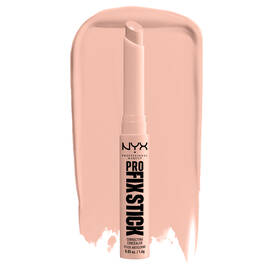
PRO FIX STICK CORRECTING CONCEALER
Color-correcting & buildable medium coverage concealer stick in 24 shades
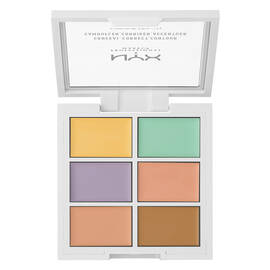
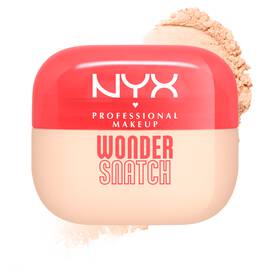
Wonder Snatch™ Loose Setting Powder
A loose setting powder delivering up to 16 hours of sweat-proof wear and airbrushed skin perfection.
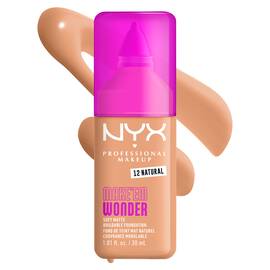
Make ‘Em Wonder™ Soft Matte Buildable Foundation
Meet Make ’Em Wonder™ Soft Matte Foundation, a skincare-infused weightless foundation that delivers pro-level, buildable coverage with a real-skin finish for all-day comfort.
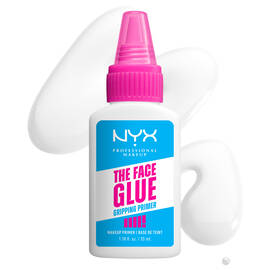
THE FACE GLUE GRIPPING PRIMER
Up to 24h hydrating and gripping makeup prepping glue
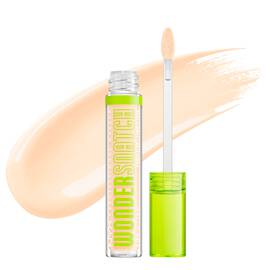
WONDER SNATCH™ CONCEALER
Up to 24HR Hydration, Waterproof, Fade-Resistant


